
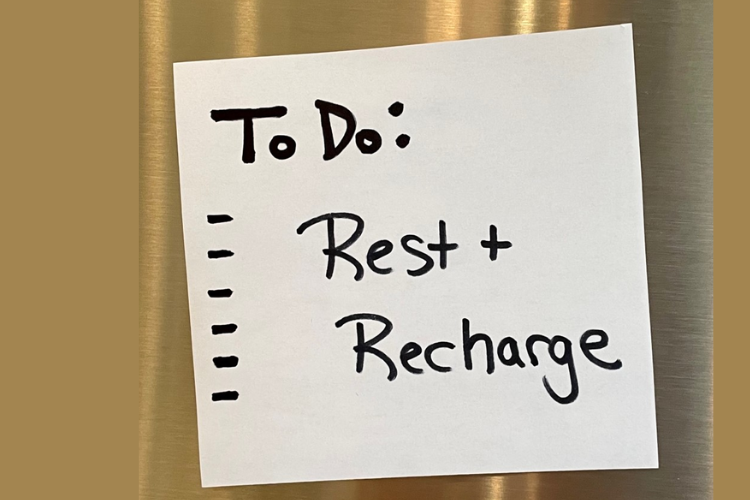
What if what you’ve learned about productivity and achievement is actually sabotaging your ability to create the meaningful life you want? What if the secret to sustainable success isn’t doing more—but recovering better?
I’ve observed a fascinating pattern among women who thrive at our age: they’ve mastered something our culture rarely teaches—the art of strategic recovery. While others burn out trying to maintain the relentless pace of their younger years, these women have discovered that quality rest isn’t the opposite of productivity—it’s the foundation of it.
Redefining Rest in a Culture of Exhaustion
We live in a society that equates busyness with importance and rest with laziness. For women especially, taking time to restore feels selfish when there are always people to care for, problems to solve, and goals to pursue. But here’s what decades of research on high performance reveals: your ability to recover determines your capacity to create.
Think about athletes at peak performance. They don’t just train harder—they recover better. They understand that adaptation happens during rest, not exertion. The same principle applies to every aspect of your life after 50: relationships, creativity, decision-making, and energy for what matters most.
A leadership consultant I know shared her client’s story—a 53-year-old executive struggling with decision fatigue and declining creativity. Despite working longer hours, her performance suffered. The breakthrough came when she treated recovery with the same intentionality she brought to work projects. Within weeks, her clarity returned, energy stabilized, and her team noticed her renewed presence and innovative thinking.
Beyond Sleep: The Seven Types of Rest
Most of us think rest means sleep, but restoration is far more nuanced. Research identifies seven distinct types of rest your body and mind require:
Physical Rest: Sleep, napping, gentle stretching, or simply lying down with feet elevated.
Mental Rest: Brain breaks from problem-solving and decision-making. This might mean meditation or mindlessly folding laundry.
Sensory Rest: Relief from screens, notifications, bright lights, and noise. Even minutes in a quiet, dimly lit space can be profoundly restorative.
Creative Rest: Experiencing beauty without pressure to produce. Walking in nature, listening to music—allowing yourself to receive rather than generate.
Emotional Rest: Time away from managing others’ feelings and expectations. Permission to be authentic rather than accommodating.
Social Rest: Distinguishing between relationships that energize versus drain you. Time with accepting people or guilt-free solitude.
Spiritual Rest: Connecting to something larger than daily concerns through prayer, meditation, or practices that remind you of deeper purpose.
Most exhaustion stems from getting only one or two types of rest while neglecting others. When you feel tired despite adequate sleep, you’re likely experiencing a deficit in other areas.
The Recovery Revolution
Here’s what changes everything: proper rest doesn’t just prevent burnout—it enhances every aspect of functioning. When truly restored, you make better decisions, solve problems more creatively, respond to stress more resiliently, and show up more fully in relationships.
Consider two approaches to a challenging week:
Push-Through Approach: Power through fatigue, skip breaks, sacrifice sleep to accomplish everything. You feel productive momentarily but notice declining judgment, increased irritability, and a growing sense that life is happening to you.
Strategic Recovery Approach: Build micro-recoveries throughout each day and honor your need for different types of rest. Work with natural rhythms rather than against them. Notice sustained energy, clearer thinking, and feeling resourced rather than depleted.
The second approach isn’t just more pleasant—it’s more effective. Rested minds are more innovative, rested bodies more resilient, and rested spirits more magnetic to opportunities.
Listening to Your Body’s Wisdom
After 50, your body becomes an increasingly sophisticated messenger about what it needs to thrive. The key is learning to listen before messages become urgent.
Early Signals Your Body Needs Rest:
- Decision-making feels harder than usual
- You’re more reactive to minor annoyances
- Food cravings increase, especially for sugar or caffeine
- You feel disconnected from normally enjoyable activities
- Minor tasks feel overwhelming
Signs You’re Getting Quality Recovery:
- You wake naturally feeling refreshed
- Creative solutions come easily
- You feel patient with difficult people
- Your sense of humor returns
- You look forward to your day rather than just surviving it
Creating Your Recovery Rituals
The most sustainable approach builds recovery into your daily rhythm rather than waiting for weekends or vacations.
Micro-Recoveries (2-5 minutes):
- Three deep breaths with eyes closed
- Stepping outside and feeling air on your skin
- Sipping tea mindfully without multitasking
- Gentle neck and shoulder stretches
Daily Restoration (15-30 minutes):
- Morning pages or journaling
- Walking without podcasts or phone calls
- Bath with Epsom salts
- Reading fiction or poetry
Weekly Renewal (2-4 hours):
- Time in nature without an agenda
- Creative activities for pure enjoyment
- Social connection with energizing people
- Complete disconnection from work and obligations
The key is customizing practices to your particular rest deficits and life circumstances.
Overcoming Rest Resistance
Many women struggle with guilt about prioritizing rest. Common thoughts include:
- “I should do something productive.”
- “Other people need me right now.”
- “I’ll rest when I finish everything.”
Reframe rest as investment rather than indulgence. When properly restored, you have more to offer everyone else. Your patience increases, creativity flows more freely, and energy becomes sustainable rather than borrowed from tomorrow.
Consider this: would you rather be 70% available to loved ones consistently, or 100% available until you burn out and become 30% available? Rest isn’t taking away from others—it’s ensuring you can show up as your best self long-term.
Your Recovery Revolution Starts Now
This week, experiment with intentional recovery. Start by identifying which type of rest you most need right now. Are you mentally fatigued from constant decision-making? Emotionally drained from managing others’ needs? Spiritually disconnected from a deeper purpose?
Choose one micro-recovery practice and build it into each day. Notice how it affects your energy, mood, and effectiveness. Pay attention to your body’s signals about what it needs to feel truly restored.
Remember: You don’t earn rest through exhaustion—it’s the foundation that makes everything else possible. You don’t have to be depleted to deserve recovery. You deserve rest simply because humans require restoration to thrive.
What would change in your life if you treated rest as strategically as your most important goals?
The women who create their most fulfilling chapters at our age understand something profound: sustainable achievement isn’t about endless doing—it’s about rhythms of engagement and recovery that honor both your ambitions and your humanity.