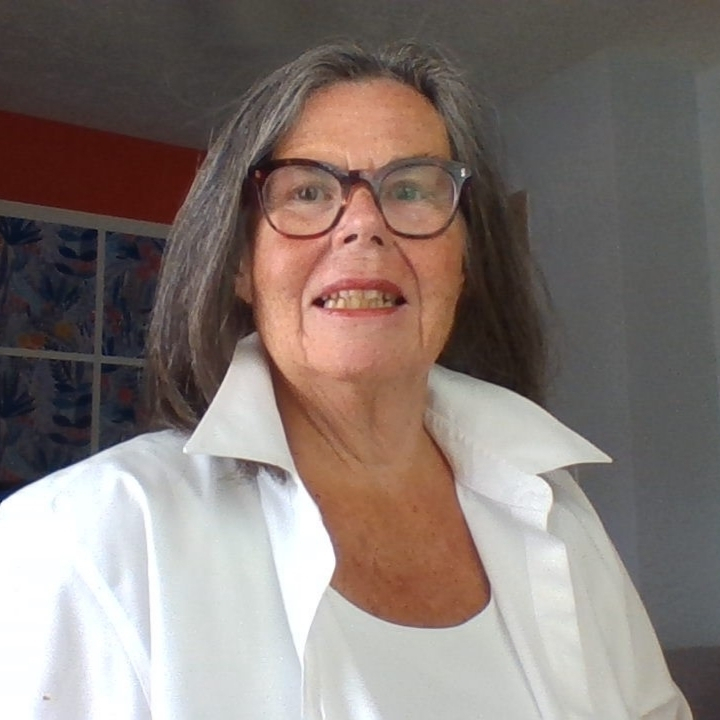

It’s still a week and a half until Thanksgiving, and Sandra is already rehearsing.
She knows the question is coming. Somewhere between the turkey and the pie, a brother-in-law or a cousin will lean back and ask, “So, what are you doing these days?”
In her head, she’s drafting answers. Well, I’ve been volunteering, and I’m thinking about a part-time project, and I’ve been really busy with the house, and… Every version sounds like a defense. Every version runs too long.
Sandra spent thirty years as the person everyone counted on. Saying no, or saying less, has never come easily. Now she’s noticing something uncomfortable: she isn’t sure how to describe a good life without someone else nodding to confirm it.
The Question Under the Question
If you’ve felt this too, you’re far from alone. The fear that you won’t know whether you’re “doing it right” without outside feedback is one of the most common parts of this transition. It’s also one of the least discussed.
For most of your life, feedback arrived on schedule. Performance reviews. Report cards. Thank-you notes. A raise. Even a tired “Thanks, Mom” told you something was working. Then, almost overnight, the feedback stopped.
Here’s the permission worth holding onto: the discomfort you feel isn’t a sign that something is wrong. It’s what self-trust feels like before it becomes familiar. Like walking in new shoes, it pinches a little before it fits.
And this isn’t about rejecting other people’s opinions. You can welcome recognition and stop needing it to know your life is good. Both can be true.
What Research Tells Us About Self-Trust
Organizational psychologist Dr. Tasha Eurich has spent years studying self-awareness. One of her most practical findings is that why questions (“Why do I feel so unsettled?”) tend to pull us into rumination. What questions (“What made this week feel good?”) are far more likely to lead to useful insights. That’s a helpful guide for building your own measures.
Dr. Kristin Neff’s research on self-compassion offers another anchor. Instead of grading yourself, self-compassion invites you to treat yourself with the same kindness you’d offer a good friend, remembering that struggle is part of being human. It’s a steadier foundation than self-evaluation, because it doesn’t swing with every good or bad day.
And here’s a finding with a hometown connection. Yale’s Dr. Becca Levy analyzed data from the Ohio Longitudinal Study of Aging and Retirement, which followed residents of Oxford, Ohio, for over two decades. People with more positive perceptions of their own aging lived, on average, about 7.5 years longer than those with more negative ones.
How you assess your own life isn’t just a private matter of mood. It may be one of the most important longevity practices you have.
Building Your Own Measure
Old success metrics were mostly about output: what you finished, earned, or achieved. Your new measures can be about experience: how your life actually feels from the inside.
Start with three to five measures, phrased as things you can notice rather than things you must produce. For example:
• I felt connected to someone I care about.
• I learned something that delighted me.
• I spent time outdoors and actually noticed it.
• I said no without over-explaining.
• I made room for rest without apologizing.
Notice that Eurich’s what question does the work here: What made this week feel like mine?
Then choose a rhythm. Daily verdicts can quickly turn into a new scorecard. A weekly check-in is gentler and more accurate. Sandra chose Sunday afternoons, walking the paths at Inniswood Metro Gardens and quietly asking herself which of her measures showed up that week.
When the old scorecard flares up, and it will, try three steps: notice it, name it (“There’s the old ‘prove it’ voice”), and return to your own measures.
Self-trust grows the way any relationship does: through small, repeated experiences of keeping faith with yourself. Each week you check in honestly. You establish evidence showing that your personal evaluation is trustworthy. Over time, the question quietly shifts from “Did anyone notice?” to “Did this feel true to me?” That shift doesn’t happen at a single holiday dinner. It happens one ordinary Sunday at a time.
Try This: Answer From Center
Before the next time someone asks, “So what are you doing these days?” try this.
Take one slow breath. Rest a hand lightly on your sternum, the flat bone at the center of your chest. Feel the warmth of your hand and the rise of your breath beneath it.
Then answer from there. Not from the part of you that needs approval, but from the part that already knows.
Your My Measure Card
On an index card, write:
1. Your three to five personal measures
2. Your weekly check-in day
3. One sentence for the holiday table that feels true, not defensive
Sandra’s sentence turned out to be wonderfully simple: “I’m enjoying having time for the things that matter to me.” No list. No justification.
Keep the card where you’ll see it: in your wallet, on the fridge, or tucked into the book you’re reading.
Your Next Step
On your own: Draft three personal measures and choose your weekly check-in day.
At your own pace: And if you’d rather keep your measures entirely private, that’s perfectly fine. They’re yours, after all.