
The Longevity Case for Resilience
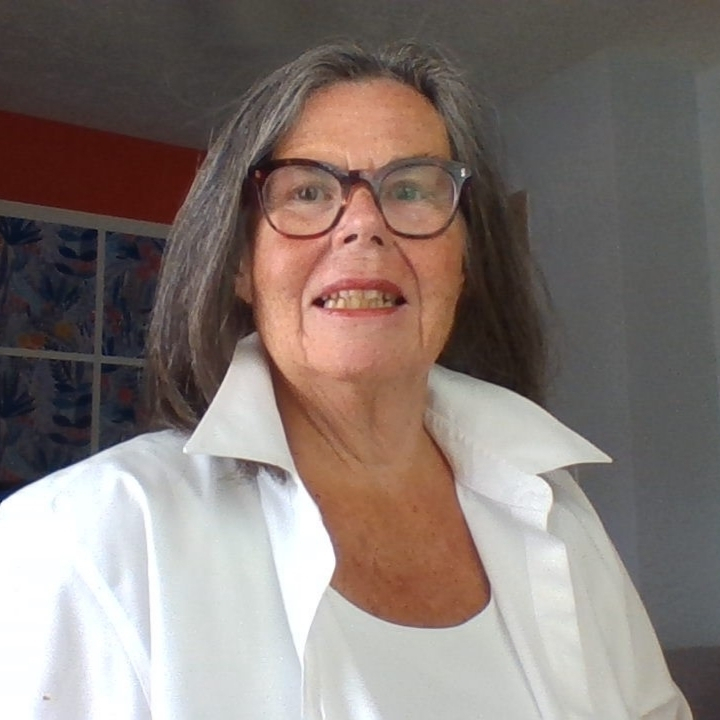
Carol turned sixty-three this year, and somewhere in the middle of our conversation about her own setback, a return, briefly, to the caretaking-everyone-but-herself pattern she thought she’d already dismantled, she paused. She asked a question that’s stayed with me since: “Is this actually going to matter in twenty years, or am I just fixing a bad month?”
It’s both. But it’s mostly the first one, and this week I want to make the case for why.
Everything we’ve covered this month, noticing a setback without spiraling, naming the pattern underneath it, responding with self-compassion instead of self-punishment, building a recovery protocol you can actually use, can look, from the outside, like a fairly small project. A better way to handle a missed walk. A gentler response to a broken boundary. It is that. But it’s also something considerably larger, and the research on aging well makes the case more convincingly than I can on my own.
Resilience as a Predictor of How You Age
Psychologist Becca Levy’s research on aging has found something worth sitting with: how people think about aging and how they respond to age-related challenges measurably shapes how well they actually age — not just how they feel about it, but functional outcomes over years and decades. The Harvard Study of Adult Development, one of the longest-running studies of human life ever conducted, has tracked a related thread across generations: the people who adapted best to the inevitable losses and challenges of later life weren’t the ones who avoided hardship. They were the ones who’d built a practiced, reliable way of recovering from it.
Read that again, because it reframes everything you’ve been doing this month: recovery is not a side skill you’re picking up to survive this particular October. It’s the actual psychological infrastructure you’ll be standing on for the next thirty or forty years, through health changes, through the loss of people you love, through role transitions none of us can fully predict yet from here. The recovery protocol you built last week for a missed walk is, structurally, the same muscle you’ll need when the stakes are enormously higher.
Why Perfectionism Gets More Dangerous With Age, Not Less
Here’s the part of the longevity lens that surprises most women when they first hear it: perfectionism and all-or-nothing thinking don’t mellow with age. They become more costly. The “perfect” body, the “perfect” career trajectory, the “perfect” unbroken routine — all of it becomes less achievable and, just as importantly, less relevant as the years accumulate. A woman who can only sustain a healthy habit when she’s doing it flawlessly is a woman who’s built herself a system with an expiration date, because flawless execution becomes statistically less likely with every passing year, not more.
What protects instead is exactly what you’ve been practicing: the capacity to fall short, notice, recover, and continue — repeatedly, without the entire system collapsing every time reality doesn’t cooperate. Carol’s caretaking relapse wasn’t a failure of her progress. It was a live rehearsal, at sixty-three, for the psychological flexibility she’ll need at seventy-three and eighty-three, when the interruptions will be bigger than a granddaughter’s fever and the stakes considerably higher than a missed morning walk.
You might think: I’m doing this work to fix a habit right now, in this season. But what if you’re actually doing something closer to strength training: not for this month’s specific challenge, but for a muscle you’re going to need for the rest of your life, in circumstances you can’t yet fully picture from where you’re standing.
Both the Small and the Large
Both things are true, and neither cancels the other: this month’s work is genuinely about your Tuesday mornings, your boundaries with your daughter, your actual walking routine, real, present-tense, ordinary life. And it is also, simultaneously, protective infrastructure for decades you haven’t lived yet. You don’t have to choose between caring about the small, immediate thing and understanding its larger significance. Carol’s question, “is this actually going to matter in twenty years ?” doesn’t have an either/or answer. It’s yes, and yes, the same way most of the meaningful things in this work turn out to be.
What would it mean to treat this month’s small recoveries as practice for the resilience you’ll need decades from now, not as pressure, but as something closer to relief? You’re not just getting better at bouncing back from a missed walk. You’re becoming the woman who can adapt, again and again, for as long as adapting is required of her. Which, if the research is right, is going to be a very long time.
Next week, we close out the month with a coaching conversation, watching this entire arc, from setback to recovery to the bigger why, play out in real time.