You’ve given yourself permission to play. You’ve reconnected with your creative voice. You’ve said yes to small adventures that awakened something inside you.
And maybe—just maybe—you’ve remembered what it feels like to be fully alive.
But here’s the question that determines whether this awakening becomes transformation or just a fleeting moment of inspiration:
How do you make vibrancy a consistent part of your life rather than an occasional escape?
How do you ensure that joy, creativity, and adventure aren’t luxuries you squeeze in when everything else is done—but foundational practices that fuel everything else you do?
This week, we’re moving from exploration to integration. We’re designing your personal Joy & Creativity Plan—a living blueprint that ensures fun, play, and self-expression become as non-negotiable as your morning coffee.
A vibrant life doesn’t happen accidentally. It’s designed with intention.
The Integration Challenge: When Inspiration Meets Reality
For the past three weeks, you’ve been experimenting. Trying new things. Following curiosity. Allowing yourself to play without performance pressure.
And then life happened.
The calendar filled up. The obligations returned. The urgent overshadowed the important. And suddenly, those moments of joy and creativity started feeling like indulgences you couldn’t quite justify.
This is where most personal growth work fails—not in the inspiration phase, but in the integration phase. Not in the discovering, but in the sustaining.
The pattern is familiar: You get excited about a new practice. You commit enthusiastically. You experience the benefits. And then, slowly, imperceptibly, you let it slip away because “life got busy.”
But here’s the truth: Life is always busy. The demands will never magically decrease. The obligations will continue regenerating.
So if you wait for the “right time” to prioritize joy, creativity, and adventure—that time will never come.
The only way vibrancy becomes part of your life is if you design it in deliberately.
Not as an afterthought. Not as a reward for finishing everything else. But as a foundational practice that makes everything else possible.
Creating Your Joy Menu: Resources for Every Season
Think about how you approach food. You don’t wait until you’re starving to figure out what to eat. You have go-to meals, favorite restaurants, recipes that nourish different needs.
Your joy deserves the same intentionality.
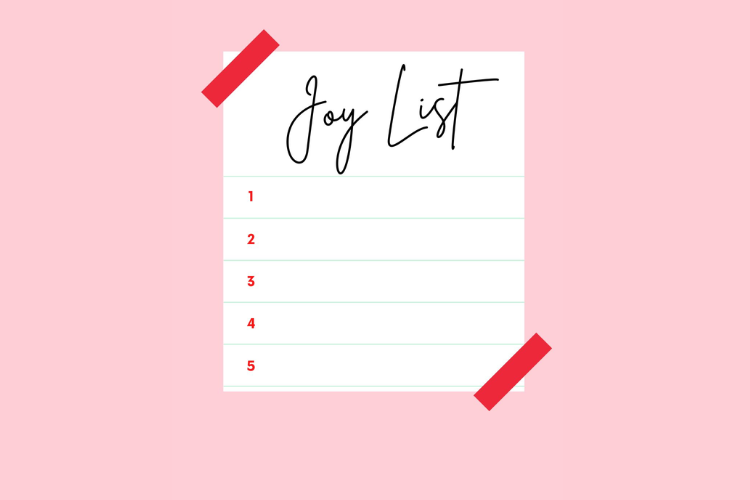
A Joy Menu is your personalized list of activities, experiences, and practices that reliably restore, energize, and delight you. It’s what you turn to when you need:
- Quick energy (15 minutes): A favorite song, stepping outside, calling a friend who makes you laugh, dancing in your kitchen, creative doodling
- Reset and recharge (1-2 hours): A nature walk, an art project, trying a new recipe, visiting a favorite spot, attending a local event
- Deep restoration (half-day or more): A day trip to somewhere new, immersing in a creative project, a solo adventure, time with someone you love without distractions
The key is specificity. Not “spend time in nature,” but “walk the trail at the park where I always see the cardinals.” Not “do something creative,” but “pull out my watercolors and paint whatever wants to emerge.”
When joy is vague, it remains theoretical. When joy is specific, it becomes actionable.
Your Joy Menu ensures that when you need nourishment, you don’t have to reinvent the wheel—you simply choose from your curated list of what actually works for you.
Scheduling Spontaneity: The Paradox That Works
“But if I schedule joy, doesn’t that make it feel forced? Doesn’t it lose the spontaneity?”
This is one of the most common objections to planning for joy—and it reveals a fundamental misunderstanding.
You’re not scheduling the exact activity. You’re scheduling the space for joy to emerge.
Think of it like this: if you never block time for spontaneity, your calendar fills completely with obligations. Every hour gets claimed by someone else’s agenda. And suddenly, there’s literally no space for the unexpected, the delightful, the unplanned.
But when you protect time—”Saturday morning is my adventure time” or “Tuesday evenings are for creative exploration”—you’re creating containers for spontaneity to happen within.
You might not know exactly what you’ll do during that time. But you’ve made a commitment that during those hours, you’re available for joy, creativity, or adventure—whatever calls to you in that moment.
Scheduling spontaneity isn’t a contradiction. It’s how you ensure spontaneity actually has room to breathe.
Without protected time, joy becomes the thing you fit in only if nothing else comes up. And something else always comes up.
Boundaries That Protect Joy: The Courage to Say No
Here’s the uncomfortable truth: Making joy non-negotiable requires saying no to things that drain you.
Not everything. Not everyone. But some things. Some requests. Some obligations that you’ve been carrying out of guilt, habit, or the belief that you “should.”
Every time you say yes to something that depletes you, you’re saying no to something that could energize you. Every commitment that doesn’t serve your wellbeing is taking up space that joy could occupy.
This isn’t selfish. It’s sustainable.
The woman who protects her joy isn’t abandoning her responsibilities—she’s ensuring she has the energy to show up fully for what truly matters.
Creating boundaries around your joy might mean:
- Declining invitations that feel obligatory rather than energizing
- Limiting time with people who consistently drain you
- Saying “not right now” to good opportunities that aren’t aligned with your current priorities
- Protecting your creative time from interruptions
- Releasing volunteer commitments that have become burdensome
This requires courage. It requires disappointing people. It requires trusting that your well-being matters as much as your productivity.
But without these boundaries, your Joy & Creativity Plan remains a beautiful idea that never manifests in reality.
Rewriting Your Joy Story
Let’s dismantle these final limiting beliefs:
Old belief: “I’ll have fun when I finish everything else.”
New truth: “Joy is what gives me energy for everything else.”
Old belief: “Scheduling fun makes it feel forced.”
New truth: “Protecting time for joy ensures it actually happens.”
Old belief: “I feel guilty prioritizing my enjoyment.”
New truth: “The more joyful I am, the more I have to offer others.”
Your Joy & Creativity Blueprint: Five Steps to Integration
This week, create your living blueprint. Set aside 30-60 minutes and work through these five steps:
1. List 10-15 Activities That Genuinely Light You Up
No “shoulds.” No activities you think you’re supposed to enjoy. What actually brings you joy, creative satisfaction, or a sense of adventure? Write them all down.
2. Categorize by Time Investment
Sort your list into three categories:
- Quick Energizers (15 minutes or less)
- Mini-Adventures (1-2 hours)
- Deep Dives (half-day or full-day experiences)
This gives you options for different amounts of available time.
3. Block Weekly “Joy Appointments” on Your Calendar
Choose specific times each week dedicated to joy, creativity, or adventure. Treat these as seriously as doctor’s appointments—non-negotiable unless there’s a genuine emergency.
Start with just 2-3 hours per week if that’s what feels doable. The key is consistency, not quantity.
4. Identify One Creative Exploration for the Next Month
What creative outlet have you been curious about? What would you like to explore more deeply? Commit to one specific creative practice or project for the next 30 days.
5. Plan One Spontaneous Adventure
Yes, plan for spontaneity. Block time in the next two weeks for an unplanned adventure—something slightly outside your normal routine. You don’t have to know exactly what you’ll do, just that you’ll show up curious and open.
Your Declaration of Vibrancy
You’ve spent three weeks exploring what makes you come alive. You’ve reconnected with joy, creativity, and adventure—not as abstract concepts, but as lived experiences.
Now it’s time to commit.
Your Joy & Creativity Plan isn’t just a nice idea. It’s your declaration that you’re not just living longer—you’re living fuller. It’s your boundary against a world that will always ask you to prioritize everything except your own aliveness. It’s your blueprint for a life designed around what matters most.
What would your life look like if joy and creativity were as essential as sleep and nutrition? What would open up if you protected your vibrancy as fiercely as you protect your responsibilities?
You’ve done the exploration. Now comes the most important part: the commitment.
Will you make vibrancy non-negotiable? Will you design a life that doesn’t just look good on paper, but feels fully alive?
Your Joy & Creativity Plan is waiting. The only question is: Will you honor it?